Where Hue’s Emperors Found Mother-of-Pearl Art

Shared Origins, Distinct Idenity
First of all, mother-of-pearl inlay is not an art form unique to Vietnam. Many countries have their own versions of this craft; however, each tradition differs distinctly in style, technique, and—most importantly—the materials used.
The difference begins with the material itself. Historically, high-end Vietnamese mother-of-pearl inlay works were crafted from the gold-lip pearl oyster (Pinctada maxima), a species found in the waters of Southeast Asia, Australia, Tahiti, and Fiji. This shell displays a distinctive color gradient ranging from silver to deep blue, gradually shifting into a rich golden hue. As a result, Vietnamese inlay artworks developed a highly recognizable and harmonious color palette defined by these luminous transitions.
In particular, the shell’s intense silvery iridescence—exceptionally bright and reflective—made it especially prized as an inlay material, allowing finished works to capture and refract light with remarkable brilliance.
Beyond its visual qualities, the natural pearls produced by the gold-lip pearl oyster are consistently ranked among the world’s top three most valuable and rare pearl varieties. Historically, the species became extremely scarce and was pushed to the brink of extinction due to overharvesting. In recent decades, however, conservation efforts and successful cultivation programs have helped restore populations and ensure its continued survival.
Guests may enjoy this Afternoon Tea experience at Ancient Hue either as a standalone service or as part of our Day Experience package for non-resident guests, which includes swimming, afternoon tea, spa access, and additional privileges when dining with a set menu.
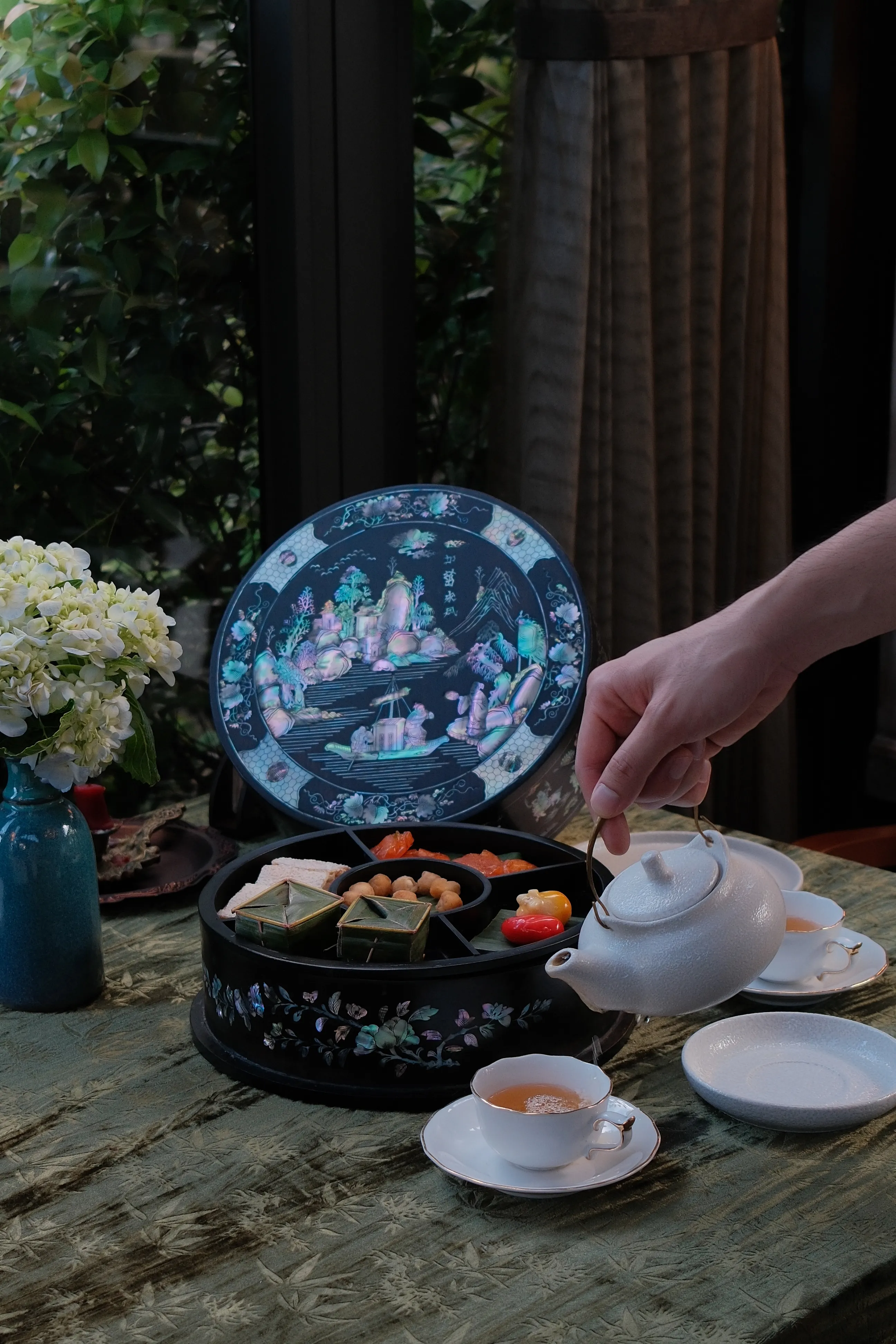
Image 1 : The Afternoon Tea set of Ancient Hue Garden Houses, custom-made by a renowned Hue artisan.
Dia Linh and Bao Vinh – Historic Craft Villages of Hue
Hue once served as the capital of Vietnam under the Nguyen Dynasty, a period during which mother-of-pearl inlay flourished at its height. Drawn by the presence of the imperial court, artisans from various regions voluntarily came to Hue in search of livelihood and professional recognition. Over time, small craft communities emerged, closely associated with areas such as Dia Linh and Bao Vinh.
These artisan groups catered directly to the needs of the imperial court, producing works ranging from altars, ceremonial platforms, and scholar’s desks to lacquered furniture, horizontal plaques, and calligraphic couplets, while simultaneously passing down their skills to successive generations.
After 1975, mother-of-pearl inlay craftsmanship in Hue continued to exist primarily through family-based workshops and small artisan groups. Unfortunately, compared to the northern regions—where the craft expanded into larger, more concentrated craft villages—the continuation of inlay production in Hue remained more limited in scale. Nevertheless, the tradition persisted through intergenerational transmission, ensuring the continuity of techniques and aesthetic principles rooted in the imperial era.
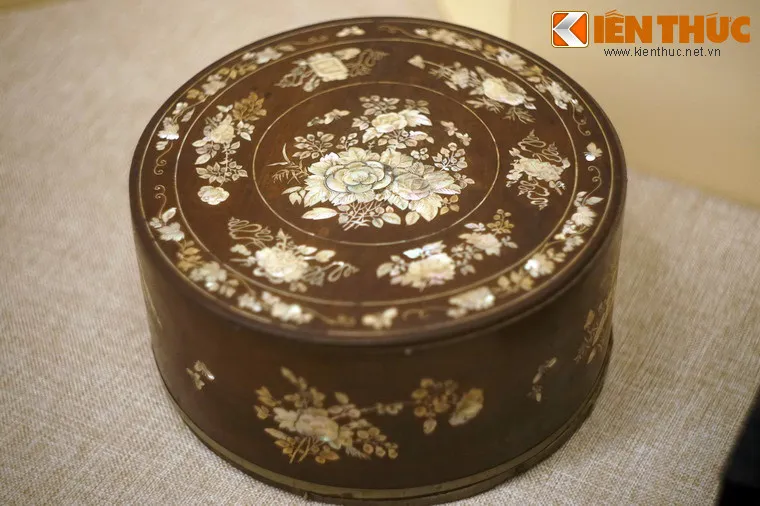
Image 2 : A mother-of-pearl inlaid set from the Nguyen Dynasty, once used in the imperial palace during late 1800s till mid 1900s and preserved to this day.
Discover a captivating journey through Hue Charm - Some of The Few Remaining Chinese Assembly Halls in Huế
Discover a captivating journey through Hue Charm- Claypot Rice in Hue
Discover a captivating journey through Hue Charm - Thanh Tan Mineral Water Source - A Nature Gift