Remnants of French Indochina in Huế (part 1)

MAGASINS CHAFFANJON
Magasins Chaffanjon (the Chaffanjon department store) belonged to the French company “Chaffanjon et Cie.” (“et Cie” being the abbreviation of et Compagnie, meaning “and Company”), a common French business naming tradition referring to a company identified by the founder’s name.
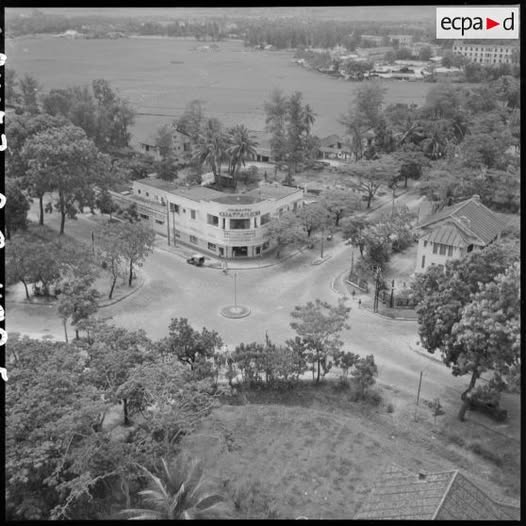
The Huế branch of Magasins Chaffanjon officially opened on July 15, 1934. It was part of a famous chain of food and consumer goods stores owned by the Chaffanjon brothers during the French colonial period in Vietnam. Located on the southern bank of the Perfume River, about 200 meters away, the store stood at the intersection of Chaigneau Street (now Lý Thường Kiệt Street) and Henri Rivière Street (now Hà Nội Street).
Covering an area of approximately 500 square meters, the complex included a food section, souvenir shop, bakery, warehouse, transportation facilities, and even a garage.
By 1953, the establishment came under the ownership of Maurice Colombani, a French businessman who also owned the nearby Hotel Morin (today known as Saigon Morin Hotel, still operating at its original address on Lê Lợi Street). The Huế branch of Chaffanjon was then managed by Colombani’s three children — Jean, Louis, and Paulette. During this period, the store expanded to include a bicycle shop and what was considered the finest bakery in Huế.
It was also located close to Chaigneau Primary School (now Lê Lợi Primary School, which continues to operate at the same historical site).
Image 1: Archival photo of this intersection
THE STORE THAT BROUGHT EUROPE TO HUE
Magasins Chaffanjon supplied a wide range of daily necessities for French residents and affluent Vietnamese customers. The merchandise was remarkably diverse, featuring many imported Western goods — wines, tea, tobacco, hunting equipment, lighting fixtures, and more. French publications and comic books were also available, including Tintin, whose animated adventures remain memorable to many Vietnamese generations.
Tea was one of the store’s best-selling products. After establishing control over Indochina, the French actively developed tea cultivation for export to Europe. According to the Indochina Economic Bulletin (September 1902), a Frenchman named Chaffanjon — possibly the founder himself — traveled to Cát Trụ, a major tea-growing region, to purchase tea directly from local farmers for processing.
Chaffanjon tea products were packaged in small white wooden boxes covered with printed paper labels. The set included two decorated porcelain cups and a miniature teapot bearing the Chaffanjon name, complete with a tea filter and lid. These products were exported to various parts of the world.
Beyond selling imported French food and goods, Magasins Chaffanjon also supplied provisions to Bạch Mã, which became a mountain resort for French officials working in the imperial capital from 1932 onward. Each day, vehicles departed Huế carrying bread, butter, dairy products, meat, wine, and fresh fruits up the mountain.
Most memorably, the aroma of freshly baked pâté chaud and buttery croissants drifting from the bakery became an irresistible temptation for generations of students from nearby Lê Lợi School.
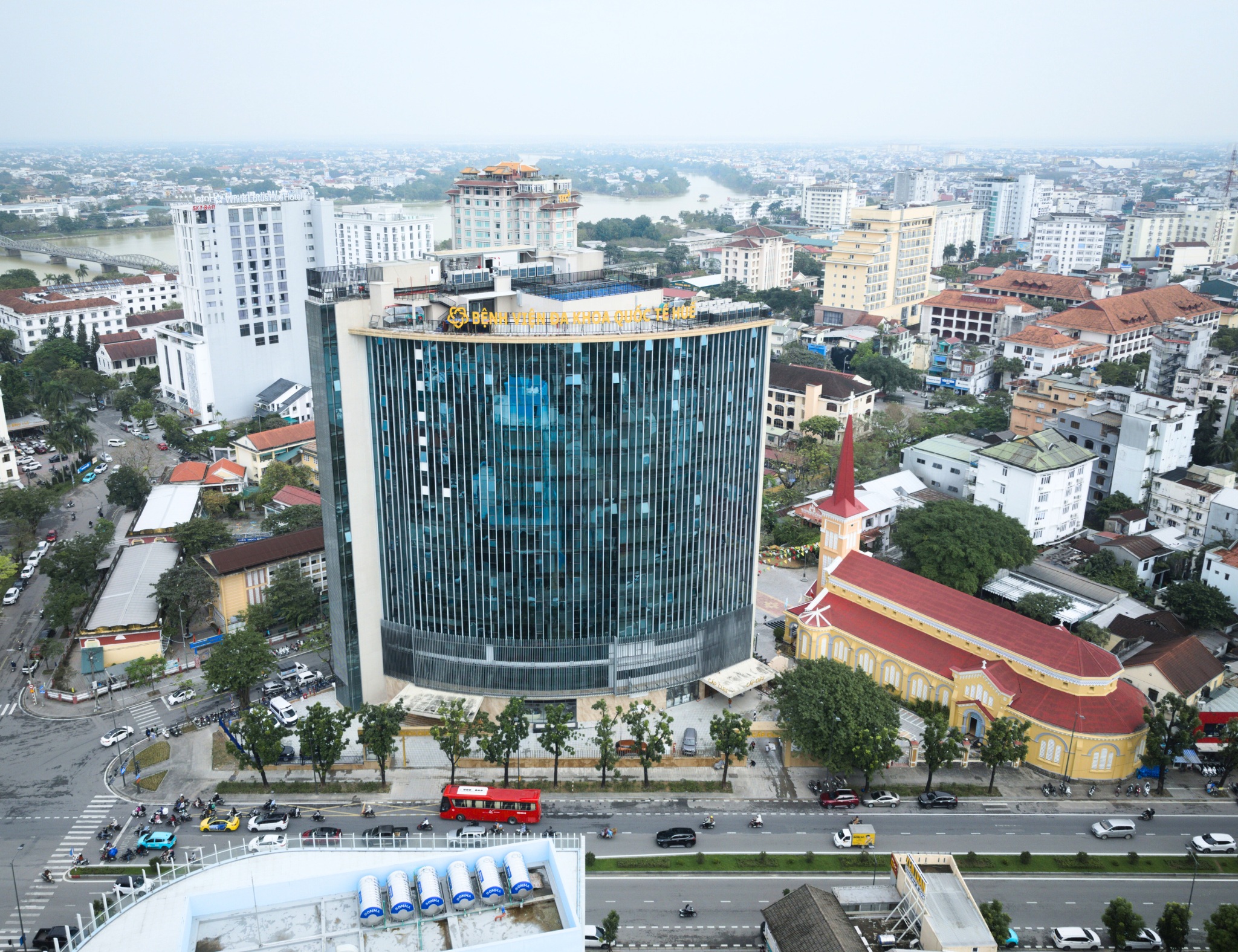
Image 2: That Intersection nowadays