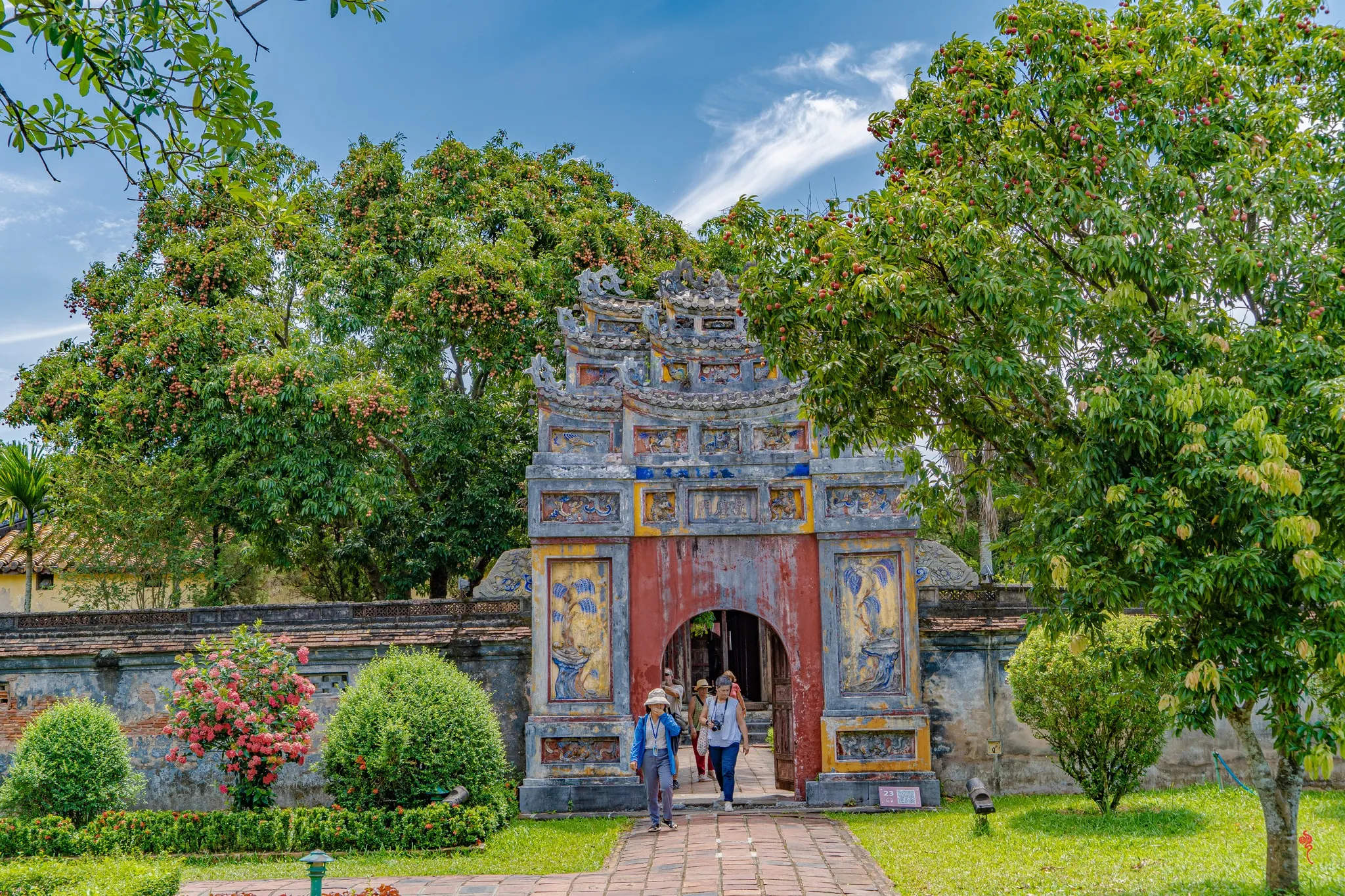
Century-Old Lychee Trees and Hospitality in Nguyen Dynasty

Trang Lychee and Regular Lychee
Vải Trạng remains the familiar lychee, yet those fruits of exceptional fragrance and sweetness—carefully selected from northern provinces and presented to the imperial court—were honored with a distinguished name: Vải Trạng.
This precious lychee was regarded not merely as a superior delicacy, but was also especially favored by Emperor Minh Mạng, to the extent that its image was engraved on the Nine Dynastic Urns (Cửu Đỉnh)—symbols of endurance, prosperity, and the refined essence of the Đại Nam nation.
The term “Trạng” originates from Trạng Nguyên, the highest scholarly title in the imperial civil service examinations, signifying academic excellence, achievement, and ultimate prestige. Thus, the name Vải Trạng elevates the fruit beyond its exceptional quality, embodying a deeper symbolism of status and imperial favor.
Under the Nguyễn Dynasty, Vải Trạng was treasured by the emperor as a rare ceremonial gift, bestowed upon princes, princesses, and meritorious mandarins. Consequently, any residence granted a lychee tree was implicitly recognized as having received special esteem and royal favor.
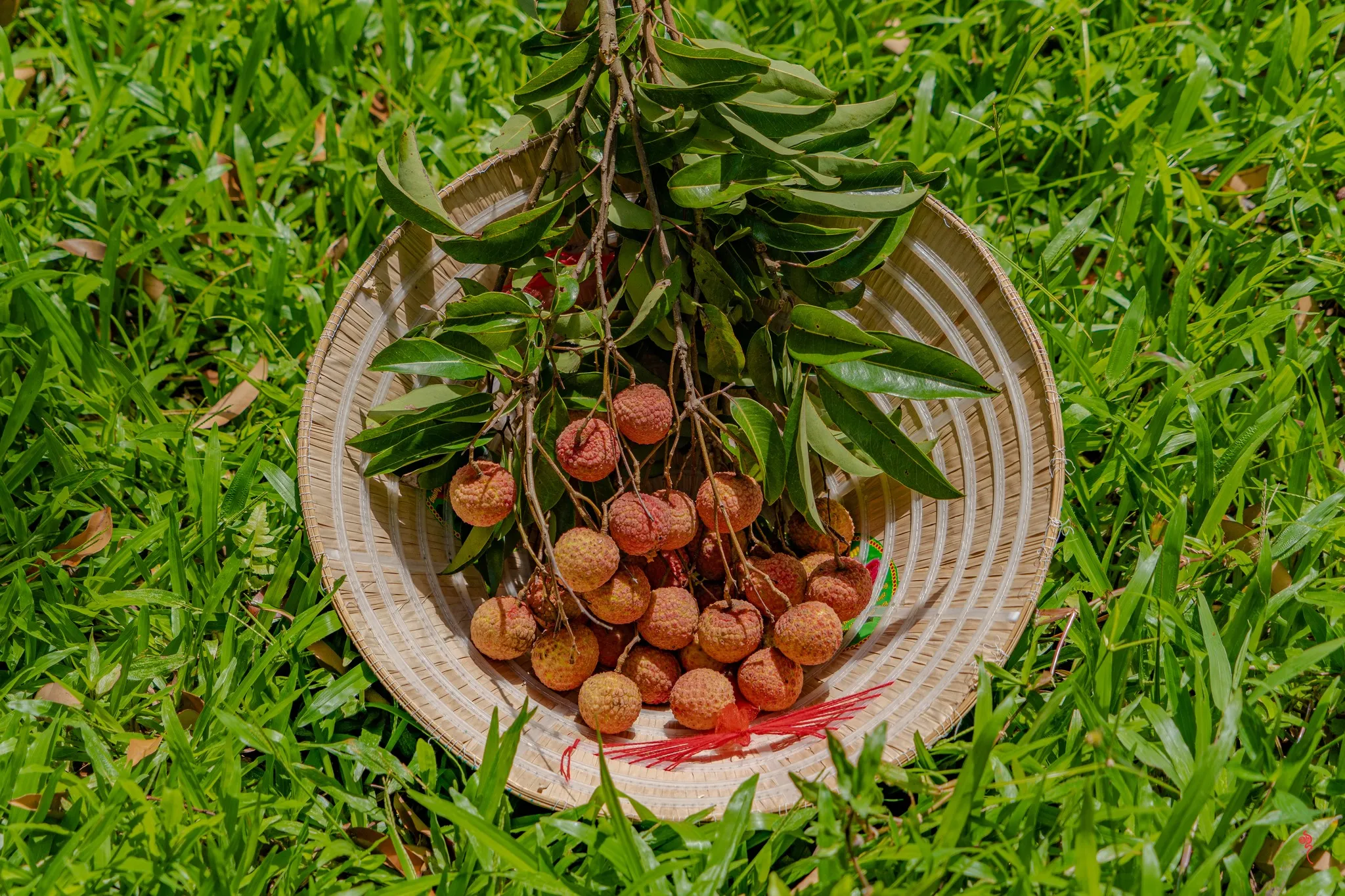
The Ceremony of Honoring Esteemed Guest
Today, traces of these ancient lychee trees—planted during the Nguyễn era—can still be found within various historical sites and former royal residences.
Notable examples include An Thường Princess’s Residence (fourth daughter of Emperor Minh Mạng), located at 63 Nguyễn Công Trứ Street—now part of Huế’s Western Quarter—and Mỹ Hóa Công Residence (son of Emperor Dục Đức). Both sites still preserve Vải Trạng trees that are over a century old, one approaching 180 years, the other nearly 130 years.
According to historical court tradition, lychee trees planted in the residences of mandarins and princesses were grown from seeds bestowed by the emperor, while those cultivated within the Imperial Palace were carefully selected first-generation trees (F1) reserved exclusively for the monarch. The act of harvesting lychees and enjoying tea was therefore not only a refined royal pastime, but also a ceremonial gesture of hospitality, reserved for the reception of distinguished guests—reflecting the elegance and authority of court culture.
During the summer of 2025, the only season when lychee trees bear fruit, Huế welcomed a delegation of senior UNESCO executives, led by Mr. Lazare Eloundou. On this occasion, the ceremonial offering of lychees within the Imperial Palace was revived as a classical expression of Huế’s hospitality—an authentic and time-honored gesture of respect for esteemed guests.
At Vạn Xuân Bar, a signature cocktail is also inspired by Vải Trạng.The gentle sweetness of the lychee is balanced with a subtle bitterness, symbolizing the fruit’s long-standing legacy and depth of meaning.
Discover a captivating journey through Hue Charm - Royal Passage Only: The Citadel's Gates