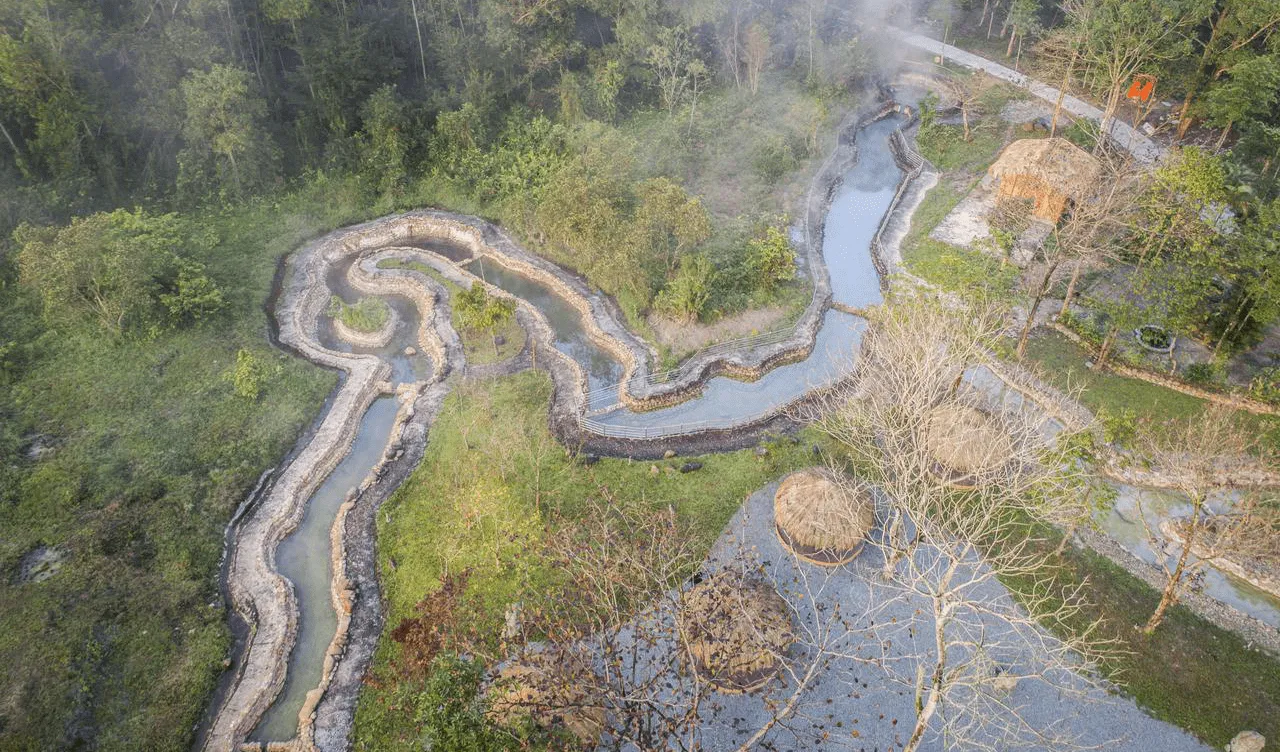
Thanh Tan Mineral Water Source - A Nature Gift

Thanh Tân Mineral Water – A Gift Discovered by Albert Sallet
Mineral water is a precious gift from nature — a source of purity that surpasses ordinary treated water. Protected deep underground, shielded from industrial contamination, and filtered through geological layers over thousands of years, mineral water carries with it a wealth of essential natural minerals.
Magnesium, calcium, and bicarbonate are vital compounds that participate in more than 300 biochemical reactions within the human body. They play crucial roles in cardiovascular health, muscle function, the nervous system, bone strength, and energy metabolism. Drinking mineral water daily is therefore a simple yet sustainable way to care for one’s health — much like regularly changing oil to keep an engine running smoothly.
In Vietnam, as in many parts of the world, nature has generously bestowed several remarkable mineral springs. Among the most notable are:
- Quang Hanh Hot Spring – a rare hot saline mineral source drawn from deep underground. Its bromide-rich saline composition is uncommon globally, found in only a handful of locations worldwide.
- Vĩnh Hảo (Bình Thuận) – renowned for its high bicarbonate content and recognized as one of Vietnam’s most established and trusted bottled mineral water brands.
- Thanh Tân Hot Spring – a natural treasure of Huế. This mineral source was identified and documented in the early 20th century by French physician Albert Sallet, who was not only a medical doctor but also a devoted scholar of Central Vietnam’s culture and history.
Thanh Tân mineral water is available on our menu at Ancient Huế, including Alba Mineral Water, sourced directly from the Thanh Tân spring.
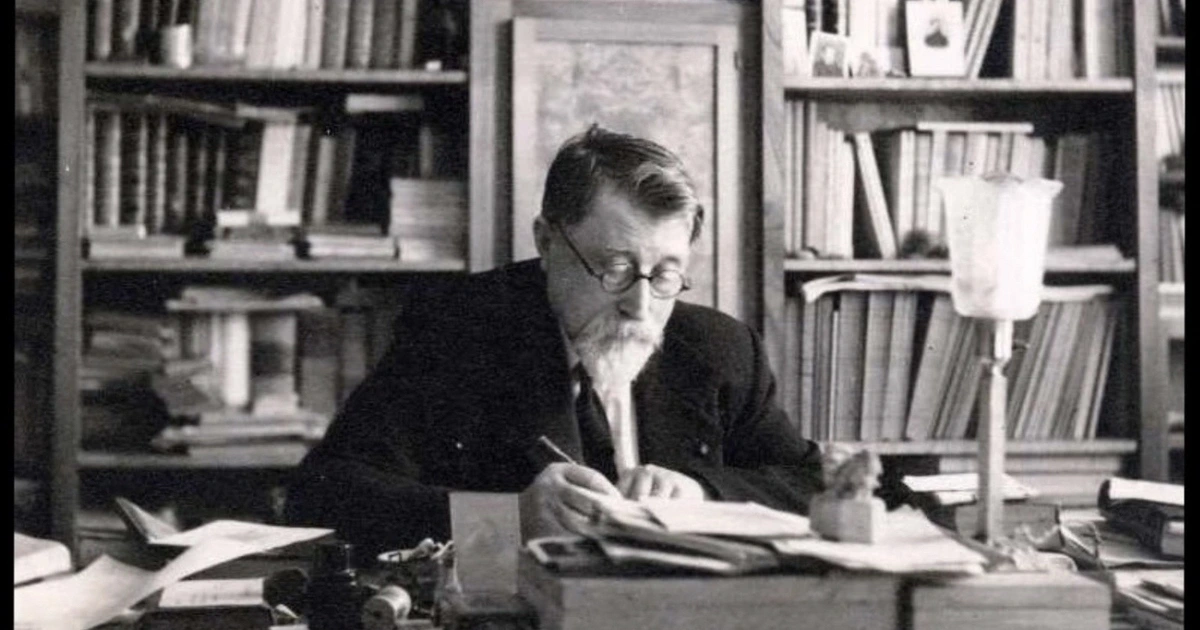
About Albert Sallet
Dr. Albert Sallet was born on September 17, 1879, in La Souterraine, central France. In 1900, at the age of 21, he graduated from the Naval and Colonial Health School in Bordeaux. In 1903, he was assigned to French Indochina, where he served as Chief Medical Officer of the colonial army in Central Annam (Trung Kỳ).
Beyond his medical profession, Albert Sallet became, in essence, a devoted ethnographer of Central Vietnam. During his extended residence and work across Central Vietnam, he traveled extensively through villages and historical sites, documenting local traditions, monuments, and everyday life with deep curiosity and genuine affection for the region.
He walked through rural hamlets, conversed with village elders, and carefully recorded indigenous customs. Notably, he founded the Association des Amis du Vieux Hué (Friends of Old Huế Association), a significant organization dedicated to researching, preserving, and promoting Huế’s cultural heritage in the early 20th century.
Sallet’s interests extended beyond customs and traditions. He investigated folk phenomena such as the legend of “Ma lai rút ruột” ,a spiritual symbol commonly found in the Central region of Vietnam, as well as in Laos and Thailand. As know as Ma Krasue ( in Thai )
And explored Cham spiritual practices, including exorcism rituals, talismanic magic, and protective charms. He meticulously illustrated these beliefs and ritual symbols in approximately 600 watercolor drawings.
Today, this collection is preserved and exhibited in a dedicated gallery at the Musée Georges Labit in southern France — a lasting testament to his profound engagement with the culture and spiritual life of Central Vietnam.
Discover a captivating journey through Hue Charm - Phuoc Tich – The Pottery Village Commissioned by the Emperors-Hue Charm
Discover a captivating journey through Hue Charm - Where Hue’s Emperors Found Mother-of-Pearl Art